

Light is an invisible entity, yet it has the power to shape the entire structure of space and human emotion. In modern design, we have moved beyond the stage of “lighting to see clearly” and entered the era of “lighting to experience.”
Today’s lighting trends are no longer centered only on decorative fixtures. Instead, they represent the intersection of optical science, intelligent technology, and human centered design thinking.
1. The shift in lighting design thinking
In the past, lighting was often the final step in interior design, sometimes limited to installing a few downlights on the ceiling. Today, light is considered a unique “building material.” This shift stems from the fact that people spend more than 90 percent of their time indoors, where artificial lighting directly affects circadian rhythms and psychological well being.
Understanding parameters such as CRI (Color Rendering Index), CCT (Correlated Color Temperature), and glare rating UGR is no longer exclusive to lighting engineers. These metrics have become essential standards for creating refined and high quality living environments.

2. Leading lighting trends shaping the new era
Below are five key pillars that are defining the future of architectural and interior lighting design worldwide.
2.1 Human centric lighting (HCL)
2.2 Maximizing natural daylight
No artificial light source can perfectly replicate sunlight, which has a color rendering index of CRI = 100. This trend focuses on bringing the exterior environment into interior spaces through architectural solutions.
- Technique: Skylights, full height windows, and reflective surfaces are used to guide daylight deeper into the building core.
- Role: Natural daylight visually expands a space and significantly reduces energy consumption. However, the biggest challenge lies in controlling glare and heat gain. Combining smart blinds or Low E glass becomes an essential complementary solution.
2.3 Indirect lighting design
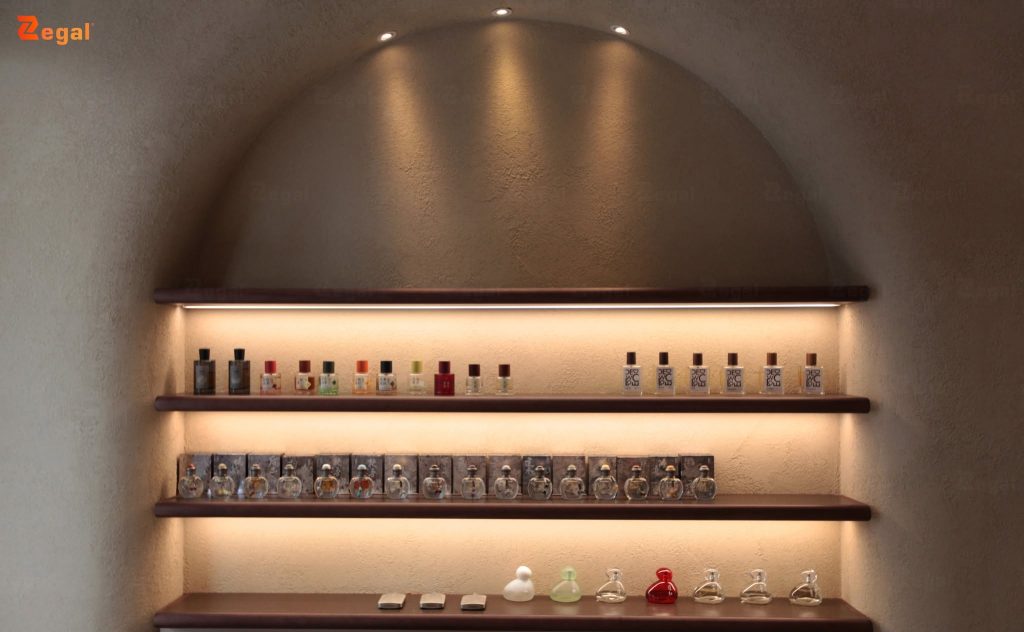
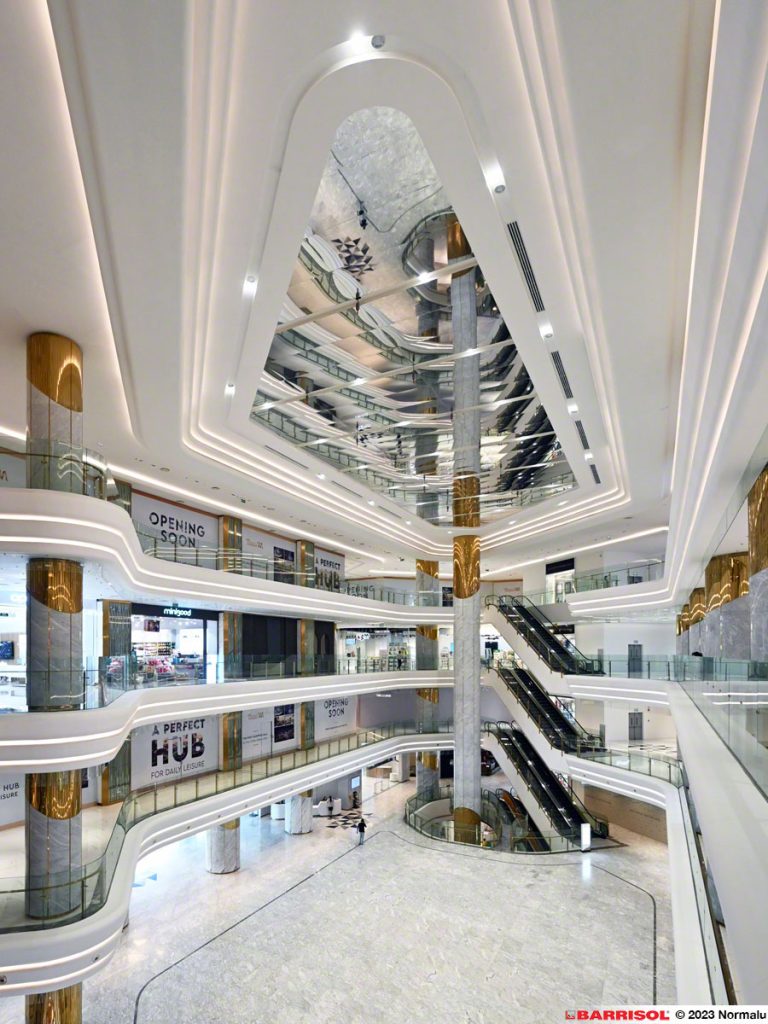
Indirect lighting is the art of hiding the light source. Instead of shining directly into the user’s eyes, the light reflects off surfaces such as ceilings, walls, or floors.
- Characteristics: Light is distributed extremely evenly, eliminating harsh shadows and minimizing glare. The Unified Glare Rating, or UGR, in these designs is typically very low, creating a comfortable and relaxing atmosphere.
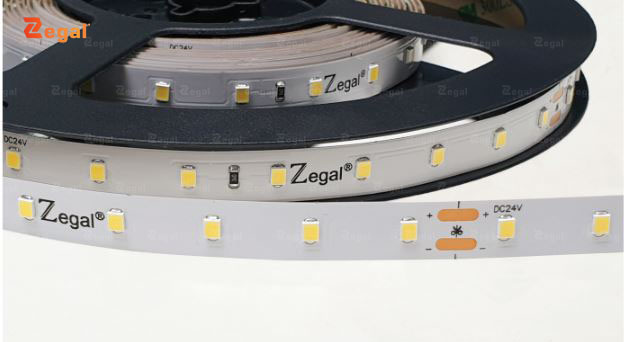
- Implementation: This approach often uses recessed LED profiles, cove lighting, or wall washing fixtures. These elements become the key to creating a subtle sense of luxury within the space.

2.4 Layered lighting control
A common mistake in lighting design is relying on a single light source for the entire room. Modern lighting trends emphasize dividing lighting into four main layers.
- Ambient lighting: Provides the general background illumination of the space.
- Task lighting: Focuses on functional areas such as kitchen counters or work desks.
- Accent lighting: Highlights artworks or architectural details, often using narrow beam spotlights.
- Decorative lighting: Acts as the visual jewelry of the space, such as chandeliers or pendant lights.
This layering creates depth and rhythm, preventing the space from feeling flat or monotonous.
2.5 Deep and stable dimming
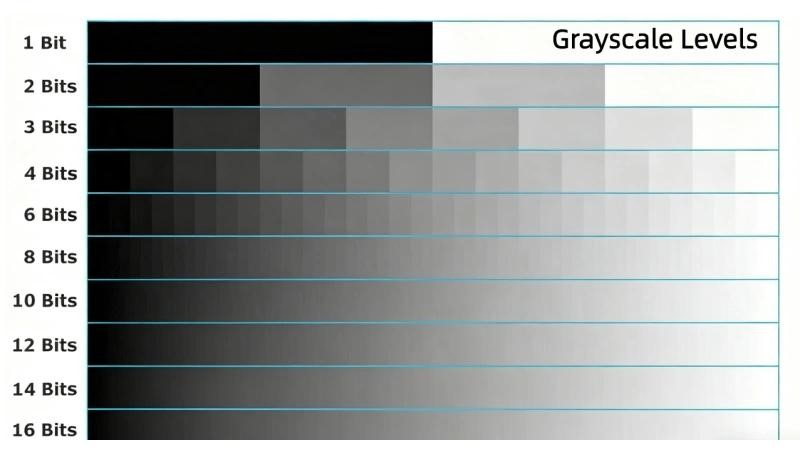
In the era of smarthome, the ability to adjust lighting intensity has become essential. However, the new trend goes beyond simply increasing or decreasing brightness. It focuses on deep dimming, reaching levels as low as 0.1 percent or 1 percent.
- Technical requirement: This requires high quality drivers to avoid flickering, which is harmful to both visual comfort and neurological health.
- User experience: Smooth dimming allows the lighting environment to transition gently from a working mode to a relaxing atmosphere without causing sudden visual discomfort.

3. Lighting design advice for different spaces
3.1 For residential spaces
Avoid overusing downlights scattered across the ceiling like a “grid.” Instead, focus light where it is truly needed. For example, in a living room, prioritize lighting for artwork or decorative stone walls rather than shining light directly onto the heads of people sitting on the sofa.
3.2 For commercial spaces
Light is a powerful sales tool. Use a high contrast ratio between accent lighting and ambient lighting to guide customers’ attention toward the target products. A high CRI is essential so that products such as clothing or food appear more appealing.

4. Conclusion
——
For further consultation, please contact Zegal Vietnam using the information below:
Zegal Hanoi
112 Vo Chi Cong, Nghia Do Ward, Hanoi
Zegal Ho Chi Minh
319–C9 Ly Thuong Kiet, Phu Tho Ward, Ho Chi Minh City
Hotline: +84969 14 6688