

In lighting design, luminous flux (lumen) is a crucial metric to evaluate the brightness of a light source, directly affecting the user’s lighting experience. This article will provide a detailed explanation of luminous flux, its measurement, and calculation formulas to help you choose the right lighting for various spaces effectively and scientifically.
1. What is luminous flux?
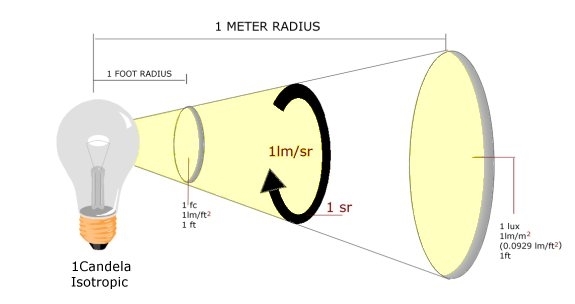
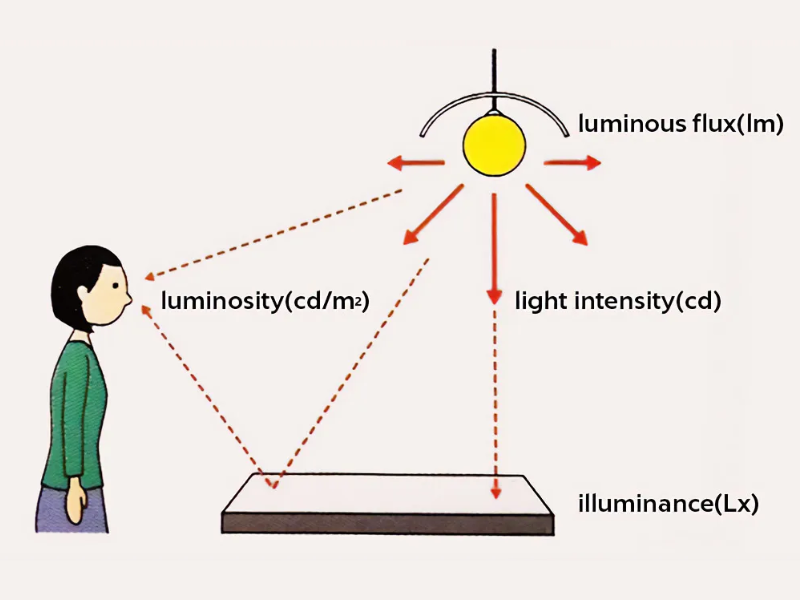
Luminous flux, symbolized as lumen (lm), measures the total amount of light emitted by a light source in one second. Simply put, luminous flux represents the brightness level of a lamp in a given space. When selecting lights, a higher luminous flux indicates brighter illumination.
2. What is LED light luminous flux?
For LED lights, luminous flux reflects the lighting efficiency of the bulb. Compared to traditional light sources like incandescent or fluorescent lamps, LEDs can produce higher luminous flux with the same power consumption, making them an optimal choice for energy savings and enhanced brightness.
3. Unit of luminous flux
The unit of luminous flux is lumen (lm). This unit allows users to easily compare the brightness levels of various lights. For instance, a 10W LED bulb can achieve up to 800 lumens, while an incandescent bulb of the same wattage may only produce 300 lumens.

4. Symbol of luminous flux
The symbol for luminous flux is Φ (phi). It is commonly used in technical documents and specifications of lighting devices, helping standardize lighting parameters and assisting users in selecting suitable products.
5. Factors affecting luminous flux
The luminous flux of a light source depends on:
- Type of light source: Different lights (LED, fluorescent, incandescent) produce varying luminous flux levels.
- Power consumption: Higher power usually results in greater luminous flux.
- Luminous efficiency: High-efficiency lights generate more luminous flux with the same power.
- Surrounding environment: Factors like reflection, wall colors, and interior materials can influence perceived luminous flux.
6. Luminous flux calculation formula
6.1 Total luminous flux formula
This formula calculates the total luminous flux required to illuminate a space:
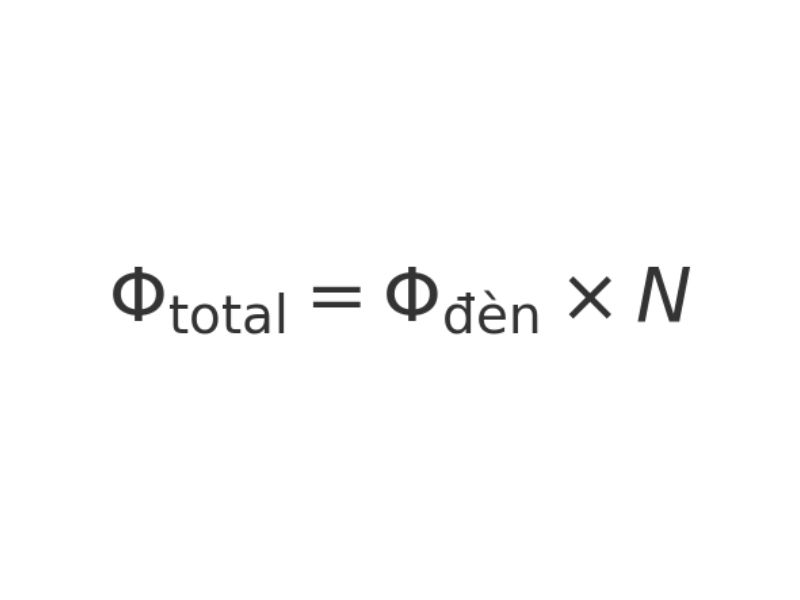
Φtotal=Φlamp×NΦ_{\text{total}} = Φ_{\text{lamp}} \times NΦtotal=Φlamp×N
Where:
- ΦtotalΦ_{\text{total}}Φtotal: Total luminous flux of the system (unit: lumen)
- ΦlampΦ_{\text{lamp}}Φlamp: Luminous flux of a single lamp (unit: lumen)
- NNN: Number of lamps in the system
6.2 Room-specific luminous flux formula
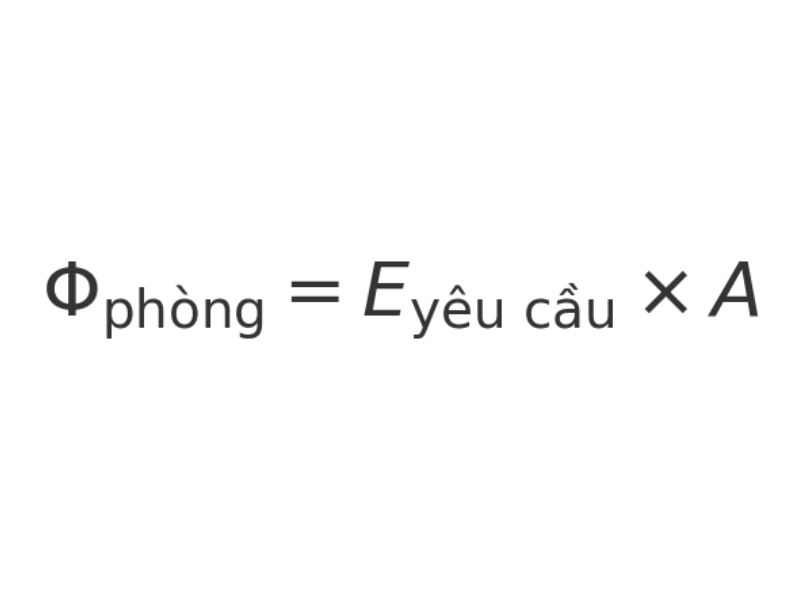
To ensure balanced lighting, use this formula:
Φroom=E×AΦ_{\text{room}} = E \times AΦroom=E×A
Where:
- ΦroomΦ_{\text{room}}Φroom: Required luminous flux for the room (unit: lumen)
- EEE: Illuminance level required for that room type (unit: lux)
- AAA: Room area (unit: square meters – m²)
7. Luminous flux reference table for lights
| Room type | Area (m²) | Required illuminance (lx) | Required luminous flux (lm) |
| Living room | 20 | 300 | 6000 |
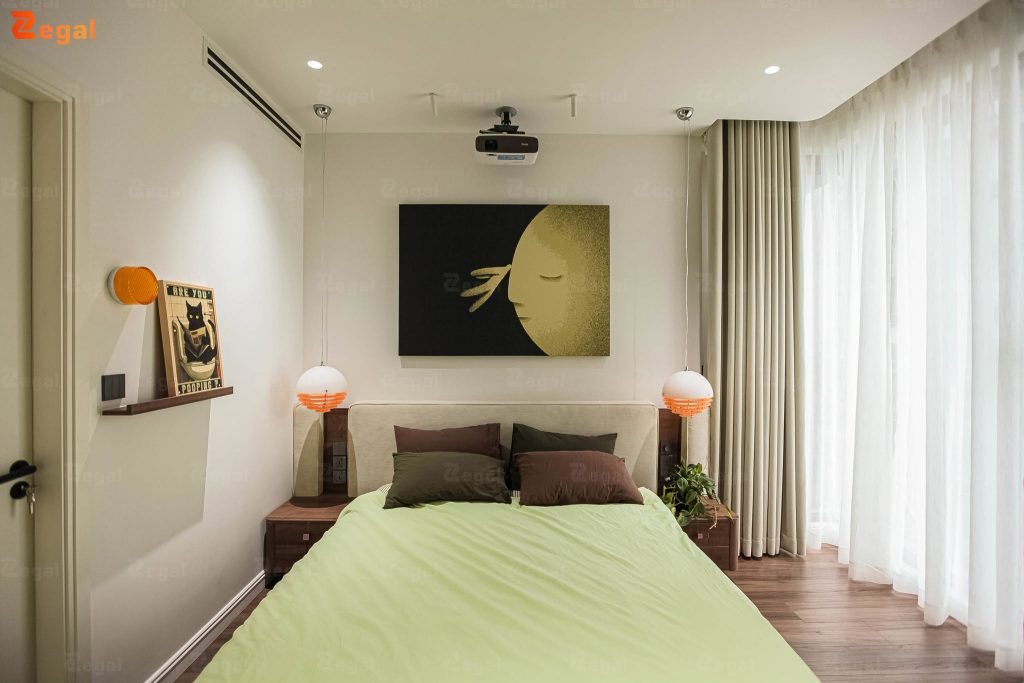
| Bedroom | 15 | 150 | 2250 |
| Kitchen | 10 | 500 | 5000 |
| Office | 30 | 400 | 12000 |
8. Luminous flux meters
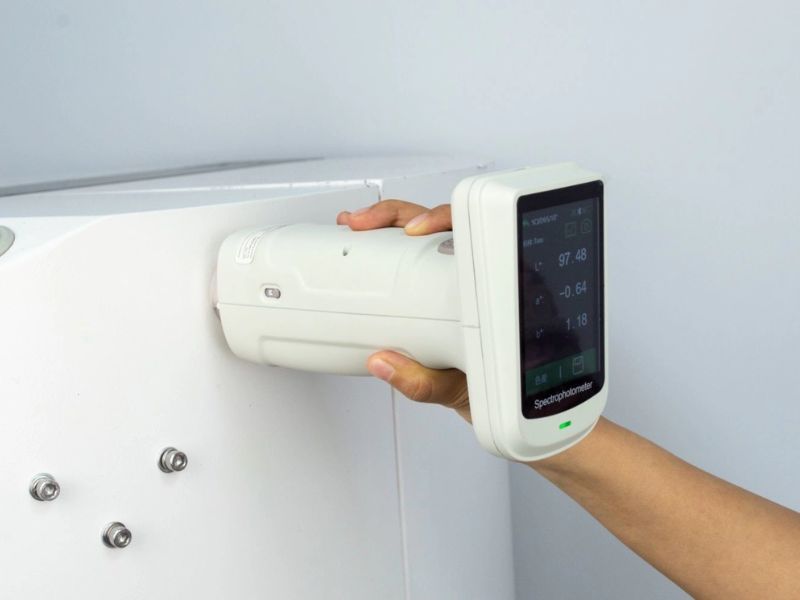
A luminous flux meter is a specialized device used to measure the intensity of light emitted by a source. These devices can accurately measure the lumen output of LED lights, allowing users to verify actual brightness against manufacturer specifications.
9. Conclusion
Luminous flux plays a vital role in evaluating light efficiency and selecting suitable lighting equipment. Understanding luminous flux helps users compare different lights and ensure spaces achieve the desired brightness levels.
For further consultation, please contact Zegal Vietnam through the following details:
Zegal Hanoi
112 Vo Chi Cong, Nghia Do Ward, Cau Giay District, Hanoi
Zegal Ho Chi Minh
319-C9 Ly Thuong Kiet, Ward 15, District 11, HCM
Hotline: +84969 14 6688